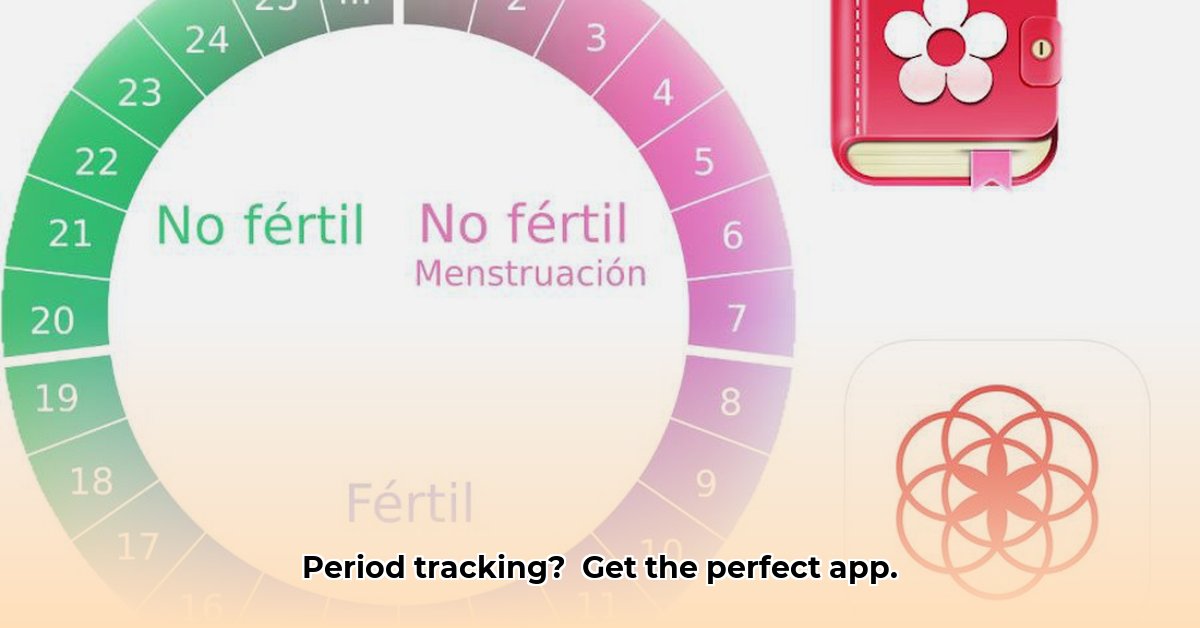
Understanding Your Menstrual Cycle
Understanding your menstrual cycle is crucial for your overall health and well-being. A regular menstrual cycle typically ranges from 21 to 35 days, with significant individual variation. While a 28-day cycle is often cited as the "average," it's essential to remember that variations are normal. However, consistently shorter or longer cycles warrant attention and may indicate underlying health concerns. This guide will explore effective menstrual cycle tracking methods and address common irregularities.
Decoding Your Cycle: What's "Normal"?
Many women experience variations in menstrual cycle length from month to month. Factors influencing cycle length include stress, diet, illness, and even travel. While slight fluctuations are typical, consistently irregular periods (defined as cycles significantly shorter or longer than your usual range) merit further investigation. Tracking your cycle helps identify patterns and pinpoint potential issues.
What constitutes a significantly irregular cycle? A good rule of thumb is to monitor your cycles for at least 3-6 consecutive months. If you notice consistent deviations exceeding 7-10 days from your typical cycle range, or other noticeable changes, it's best to seek professional medical advice. A doctor can help determine if this is a cause for concern or indicative of something more serious.
The Power (and Limitations) of Menstrual Calendar Apps
Menstrual calendar apps offer a convenient way to track your cycle, predict your period, and even estimate your fertile window. However, it's crucial to remember that these apps provide estimations, not guarantees. Their accuracy relies heavily on consistent and accurate data input.
Do period-tracking apps replace medical advice? No. While apps can help you identify patterns and trends, they should not substitute for professional medical guidance. Apps are valuable tools, but they cannot diagnose or treat underlying medical conditions.
Irregular Cycles: When to Seek Medical Attention
Irregular periods are surprisingly common, affecting roughly 14% to 25% of women. The causes can range from relatively benign factors like weight fluctuations to more complex conditions like polycystic ovary syndrome (PCOS) or perimenopause (the transition period leading up to menopause).
When should you see a doctor about irregular periods? If your cycles are consistently irregular, significantly changing in length, or accompanied by other symptoms like heavy bleeding, painful periods, or unusual spotting, consult your doctor. Early detection and diagnosis are crucial for managing potential health issues.
Using Your Menstrual Calendar Effectively: A Step-by-Step Guide
Choose Your Tracking Method: Select a method that suits your preferences and lifestyle – a paper calendar, a smartphone app, or a combination.
Consistent Data Entry: Record the first day of your period (cycle start date) and the total number of days in your cycle consistently each month. Even if you miss a day, record your data as soon as you remember.
Track Your Symptoms: Note any premenstrual symptoms (PMS) like breast tenderness, bloating, mood swings, fatigue, and acne. Recognizing patterns can help you understand your body better.
Monitor Your Flow: Assess the heaviness of your flow and note any significant changes from your typical pattern. Variations in flow can often point underlying issues.
Stay in Touch With Your Doctor: Regular communication with your healthcare provider is crucial. They can guide on the interpretation of your data and recommend further action as necessary. They can provide valuable insights and ensure proper medical management.
How to Accurately Track Irregular Periods Using Apps and Medical Advice
Irregular periods, characterized by significant variations in cycle length (more than 10 days above or below your baseline over several cycles), require a more comprehensive approach to tracking.
Select an Appropriate App: Choose an app that offers detailed tracking features, including the ability to chart basal body temperature (BBT), cervical mucus changes, and symptom tracking. Also ensure the app prioritizes data security and privacy.
Prioritize Consistent Data Input: Thorough and consistent tracking is paramount. Record not only the start and end of your period but also your BBT and cervical mucus observations daily.
Combine App Data with Other Methods: Supplement app data with more objective methods such as BBT charting or ovulation predictor kits (OPKs) for improved accuracy in pinpointing ovulation.
Interpret Data Cautiously: Remember that app predictions, especially for ovulation and menstruation, are less reliable with irregular cycles.
Schedule a Doctor's Visit: Persistent irregular periods necessitate a consultation with a healthcare professional to rule out any underlying medical conditions and receive appropriate management plans. This is crucial for ensuring your overall health and well-being.
Key Takeaway: While period tracking apps are useful tools, consistent data entry and a cautious interpretation are essential, particularly with irregular cycles. Always consult your doctor for any concerns regarding your menstrual health. Combining app data with other methods and regular medical checkups ensures a holistic approach to managing your reproductive health.
⭐⭐⭐⭐☆ (4.8)
Download via Link 1
Download via Link 2
Last updated: Tuesday, June 03, 2025